

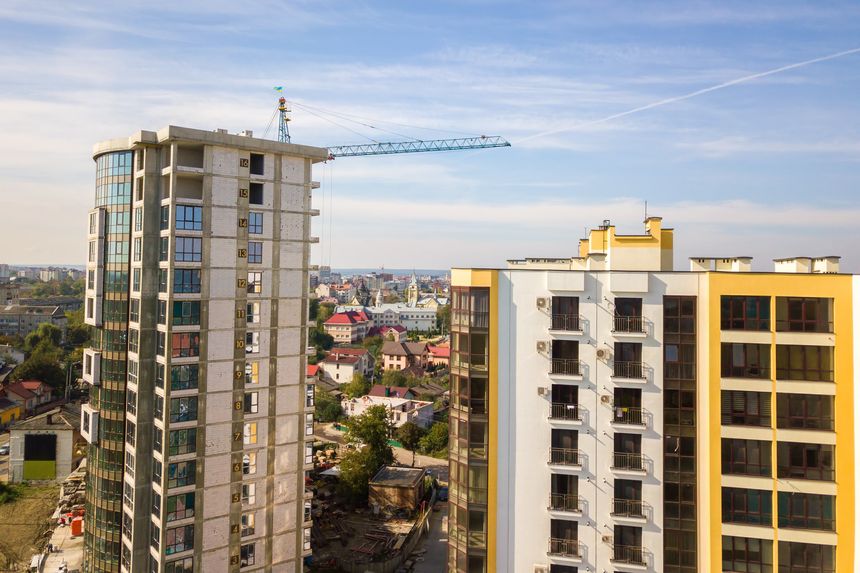
Currently, the definition of a higher-risk building (HRB) is any building that is:
- at least 18 metres in height, or at least 7 storeys
- contains at least 2 residential units
- is not of a prescribed type of building (e.g., secure residential institution, hotel or military barracks)
During construction or creation of an HRB, hospitals and care homes are included in the HRB definition, but excluded for the purposes of in-occupation duties as it was considered that they were already adequately regulated.
The Grenfell Phase 2 report, as part of its recommendations to prevent similar events happening in the future, advised that this definition was too arbitrary, and the risk profile of the building (including presence of vulnerable residents) should be taken into consideration - as such the definition was to be reviewed ‘urgently’, with the regular progress reports indicating that there may be an indication on a revised definition before the end of 2025.
In anticipation of this, many suspected that a revised definition could potentially include timber framed buildings over a certain height, buildings that hosted large gatherings of people or be linked to a resident risk profile. However, the initial review published on 17 December concluded, rather anticlimactically, that the current definition is appropriate and there will be no immediate change.
The evidence reviewed by the BSR showed that:
- data indicates the risk remains with buildings over 10 storeys rather than lower rise buildings
- risk in residential buildings has fallen slower than in commercial buildings, suggesting that meeting the needs of vulnerable residents is key (which is already being addressed via residential PEEPs and changes to Approved Document B).
This is likely a relief to many, as it means (for now) there will not be another wave of buildings to register and risk assess and additional safety case reports, mandatory occurrence systems and golden thread facilities will not need to be prepared. Similarly, the increased costs associated with building, repairing and operating HRBs will be avoided.
No change to the definition will also mean that the strain on the Gateway system is not significantly increased in the short term. The BSR has faced criticism for delay and is already labouring to reduce the massive building control approval delays; it is unsurprising that it was not keen on bringing thousands more buildings within its remit (almost 80,000 if the definition was reduced to 11 metre+)!
The BSR and MHCLG will continue to review the definition of an HRB and will likely reconsider the position when further evidence is submitted regarding 4-9 storey buildings. But, for the time being, it is business as usual.
/Passle/6491ca5e863f054b458578e8/SearchServiceImages/2026-01-27-10-38-27-535-697895a3812a5c2d3450d260.jpg)
/Passle/6491ca5e863f054b458578e8/MediaLibrary/Images/2026-01-29-14-30-44-286-697b6f14e8715be98460734e.png)
/Passle/6491ca5e863f054b458578e8/SearchServiceImages/2026-01-29-11-42-33-952-697b47a90371dbadd582e8ab.jpg)
/Passle/6491ca5e863f054b458578e8/MediaLibrary/Images/2026-01-27-12-30-47-749-6978aff7ad3984136cd9fc44.png)